What to Expect When Getting Dental Crowns Southgate CA

If your dentist has recommended a crown, you are probably thinking about two things right away: how much work is involved, and whether it is going to be uncomfortable. Those are fair questions. A dental crown is one of the most common restorative treatments in everyday practice, but for patients, it can still feel like unfamiliar territory. The name sounds serious. The process can seem technical. And if the tooth has already been cracked, heavily filled, or treated with a root canal, there is often some anxiety wrapped around the appointment before you ever sit in the chair.
For patients looking into Dental Crowns Southgate CA, the experience is usually far more routine and manageable than expected. A crown is essentially a custom-made cap that covers and protects a damaged tooth. It restores strength, shape, and function, and in many cases it also improves appearance. The key is understanding why a crown is needed, what happens during each stage, and how to care for it once it is in place.
A lot of people assume crowns are only for older adults or severely broken teeth. In practice, that is not the case. I have seen crowns recommended for younger adults who grind Dental Crowns Southgate CA their teeth hard enough to fracture molars, for patients who have large fillings that no longer support the remaining tooth structure, and for people who want to rebuild a front tooth after trauma. The details vary, but the goal stays the same: preserve the natural tooth whenever possible and give it durable support.
Why a crown may be recommended
A dentist does not usually suggest a crown for a minor issue. Crowns come into the picture when a filling is no longer enough, or when a tooth needs protection that a smaller restoration cannot provide. That might happen because decay has removed too much structure, because an old filling has become too large and unstable, or because the tooth has cracked under pressure.
After a root canal, crowns are also common, especially on back teeth. Once the nerve is removed, the tooth can become more brittle over time. It is still very much worth saving, but it often needs reinforcement. In those cases, the crown is less about cosmetics and more about preventing future fractures that could make the tooth unsalvageable.
Front teeth are a little different. A crown there may be recommended after trauma, severe wear, or a large failing restoration. The functional demands are lower than on molars, but appearance matters much more. Matching the shade, translucency, and contour becomes part of the success of the case. A crown that technically fits but looks flat, too bright, or too bulky can bother a patient every time they smile.
Sometimes patients hope to avoid a crown because they hear that the tooth must be shaved down. That concern is understandable. Dentists generally do not place crowns casually. The preparation is more involved than a filling, and good dentists weigh that decision carefully. The reason crowns remain so common is simple: in the right case, they are often the best balance between preserving the tooth and giving it a long service life.
The first exam, what your dentist is looking for
Before treatment starts, your dentist needs to determine whether the tooth is a good candidate for a crown and whether anything else has to be addressed first. This stage matters more than many patients realize. A crown can only succeed if the underlying tooth and surrounding tissues are healthy enough to support it.
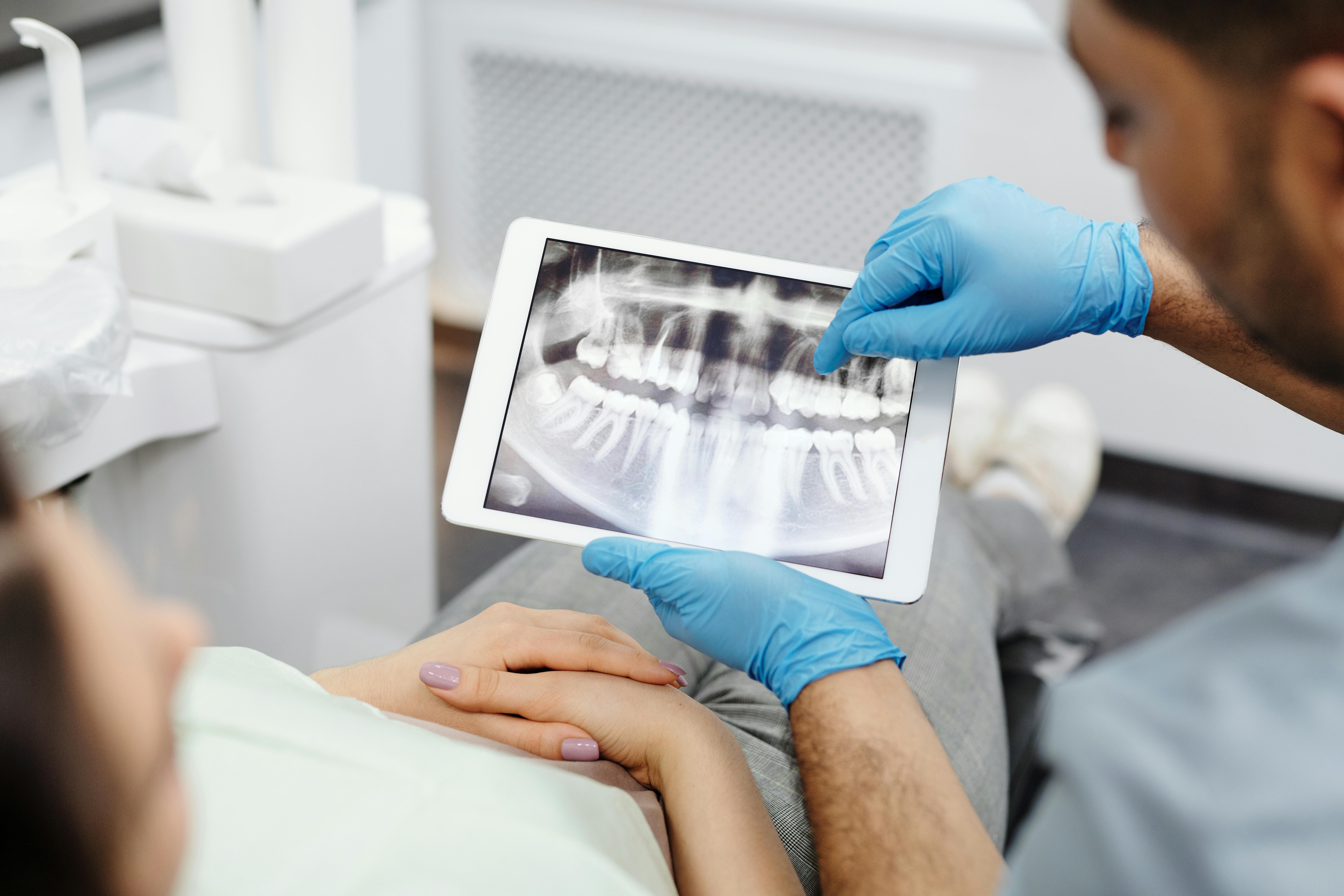
The exam usually includes X-rays, a close look at the existing tooth structure, and an assessment of your bite. If the tooth has a crack, your dentist may test how it responds when pressure is applied and released. If there is decay under an old filling, they will need to estimate how much solid tooth remains after the decay is removed. If the gums are inflamed or bleeding heavily, they may recommend improving gum health before taking final impressions or scans.
Bite is another detail that often gets overlooked from the patient side. If you clench or grind, or if that tooth is taking more force than it should, the crown design may need adjustment. In Southgate and surrounding areas, many adults have wear patterns that tell the story before they say a word. Flattened biting edges, chipped enamel, jaw soreness, or a history of fractured restorations often point to nighttime grinding. In those cases, the crown can still work very well, but a night guard may become part of the long-term plan.
The choice of material matters more than the brochure suggests
Not all crowns are the same. The right material depends on where the tooth sits, how hard you bite, how much room there is between the upper and lower teeth, and how important the esthetics are in that area.
Porcelain or ceramic crowns are popular because they can look very natural, especially on front teeth and visible premolars. Zirconia has become common because it combines strength with better esthetics than older all-metal options. Porcelain-fused-to-metal crowns are still used in certain situations, though they are less fashionable than they once were. Gold or other metal crowns remain excellent from a functional standpoint for some back teeth, even if fewer patients request them today.
There is no universal best material. That is where judgment comes in. A patient who wants a highly esthetic front tooth crown has different priorities than someone who cracked a lower molar and wants the restoration that will hold up longest under heavy chewing. A good dentist should explain why they are recommending one material over another, not simply offer a menu and leave you guessing.
What happens at the preparation appointment
For traditional crowns, the first major appointment is the preparation visit. This is the part that makes many people nervous, but in most cases it is straightforward. The tooth is numbed thoroughly, and once anesthesia is working, the dentist removes any decay, old filling material, or weakened tooth structure. Then the tooth is reshaped so the crown can fit over it properly.
The amount of reduction depends on the material and the condition of the tooth. Some teeth need only moderate shaping. Others, especially those with large old restorations or fractures, require more extensive rebuilding first. If a lot of structure is missing, the dentist may place a core build-up to create a solid foundation before the crown is made.
This is also when the dentist captures the shape of the prepared tooth and the surrounding bite. In many offices, that is done with a digital scanner. In others, traditional impression material is still used. Digital scans are often more comfortable for patients because they avoid the tray full of impression material, but either method can work well when done carefully.
After that, a temporary crown is usually placed unless the office is making the final crown the same day. Temporary crowns are functional, but they are not meant to be permanent. They protect the prepared tooth, help maintain spacing, and allow you to chew with some caution while the lab fabricates the final restoration.
If you have never had one before, a temporary crown can feel a little odd. It may not be as smooth or as solid as the final version. It may also feel slightly different in the bite. Mild sensitivity to temperature is common for a short period, particularly if the tooth was already irritated before treatment. Sharp pain or a temporary that pops off repeatedly is not typical, and you should call the office if that happens.
Same-day crowns versus lab-made crowns
Some Southgate dental offices offer same-day crowns using in-office scanning and milling systems. Others work with a dental laboratory and place the final crown at a second visit. Neither approach is automatically superior. They simply come with different workflows.
Same-day crowns are convenient. For many patients, avoiding a temporary and finishing treatment in one day is a major advantage. It is especially appealing for busy schedules or people who dislike repeat visits. Lab-made crowns, on the other hand, allow a skilled technician to refine certain esthetic and contour details, which can be particularly useful for front teeth or complex cases.
If you are researching Dental Crowns Southgate CA, it is worth asking not only whether crowns are available, but how they are made and what that means for your specific tooth. Convenience matters, but fit, bite, and long-term success matter more.
The second visit, seating the final crown
At the delivery appointment, the dentist removes the temporary crown if one was placed and tries in the final restoration. Several things are checked before it is cemented or bonded permanently. The margin has to fit closely against the tooth. The contact with neighboring teeth has to feel right. The shade and shape have to be acceptable. Most importantly, the bite must be adjusted so the crown does not hit too hard or too soon.
Patients often underestimate how important those bite adjustments are. A crown can look perfect and still feel wrong if it is even slightly high. When that happens, the tooth may feel tender when chewing, or you may become aware of it every time your teeth come together. Usually, this is corrected with minor adjustments at the placement visit or a short follow-up if needed.
Once the fit is confirmed, the crown is cemented or bonded in place. After that, your dentist will check the bite one more time and polish any adjusted areas. The numbness often lasts longer than the actual placement process.
For some patients, the final crown feels natural almost immediately. Others need a few days to adapt. A new crown should not feel bulky or interfere with chewing once you settle in. If it still feels off after several days, it is worth a recheck.
What discomfort is normal, and what is not
The word pain gets used loosely in dentistry, so it helps to be specific. Most crown procedures involve pressure, vibration, and time in the chair, but not sharp pain if anesthesia is working properly. Afterward, mild soreness is common. The gums around the tooth may feel tender for a few days. The jaw can also feel tired if the appointment was long, especially if the tooth was in the back.
Temperature sensitivity is also common for a short period, particularly before the permanent crown is placed. A tooth that already had deep decay or a large failing filling can remain reactive for a while as it settles down. Many cases improve steadily over a few days to a couple of weeks.
Some situations deserve prompt attention. These include pain that wakes you up, pain that worsens instead of improving, swelling, a crown that feels loose, or a bite that is so high you cannot chew normally. Those problems do not necessarily mean the treatment failed, but they do mean you should contact the office rather than wait it out.
A few practical things patients are glad they knew ahead of time
The little details often make the experience easier. These are the points I hear patients mention after the fact:
- Eat before your appointment if you are allowed to, especially if you tend to get lightheaded when numbness lingers.
- Bring a list of current medications and mention any history of clenching, grinding, or trouble getting numb.
- Plan softer foods the first day if you are getting a temporary crown or if the tooth has been sensitive.
- Avoid sticky candy, gum, or hard crusty foods while wearing a temporary.
- If something feels clearly wrong after the crown is placed, call early instead of waiting weeks.
None of that is dramatic, but it saves a lot of frustration. The crown process is usually smooth when expectations are realistic and communication is good.
Cost, insurance, and the surprises patients dislike most
Cost is often one of the first concerns, and understandably so. Crown fees vary by office, material, complexity, and whether additional treatment is needed first. A tooth that needs only a straightforward crown is a different situation from one that also needs a build-up, root canal treatment, or gum contouring.
Dental insurance may cover part of the cost, but rarely all of it. Plans often classify crowns as major services, which means a higher patient share than for cleanings or simple fillings. There may also be waiting periods, annual maximums, downgraded material allowances, or restrictions on replacing older crowns within a certain number of years. That is where confusion starts. Patients hear that a crown is covered, then learn that covered does not mean paid in full.
The best approach is to ask the office for a pre-treatment estimate and have them explain what is included. Ask whether the quoted fee covers the core build-up if needed, the temporary, and any follow-up bite adjustments. Most offices are used to these questions, and clear answers prevent hard feelings later.
How long a crown lasts in real life
Patients usually ask for a number, and the honest answer is that longevity varies. Many crowns last well over a decade. Some last much longer. Others fail sooner because the underlying tooth develops decay at the margin, the patient grinds heavily, the crown fractures, or gum changes expose vulnerable areas.
Daily habits matter a great deal. Someone who brushes well, keeps regular cleanings, and uses a night guard if they grind may keep a crown for many years. Another patient can lose the same kind of crown much earlier through a combination of plaque buildup, skipped maintenance, and heavy bite stress. The crown itself is not alive and cannot decay, but the tooth underneath absolutely can.
That point surprises people. They assume a crowned tooth is somehow protected from all future trouble. It is protected from certain structural problems, yes, but not from neglect. A crown still has a margin where it meets natural tooth. If plaque sits there day after day, decay can start in that seam.
Caring for your crown without overthinking it
Once the permanent crown is in place, care is usually simple. You do not need a special toothpaste or elaborate gadgets, but you do need consistency. Brush thoroughly along the gumline, floss daily, and keep regular exams and cleanings so small issues can be caught early.
If you grind your teeth, that deserves attention. I have seen beautifully made crowns chip or loosen simply because the patient continued clenching through the night with no guard. It is frustrating because the restoration is blamed, when the real issue is uncontrolled force.
Here is the short version of crown maintenance that holds up in practice:
- Brush twice daily and focus on the crown margin near the gums.
- Floss gently but consistently, especially if food packs around that tooth.
- Wear a night guard if your dentist recommends one.
- Do not use crowned teeth to crack ice, open packages, or chew hard non-food items.
- Keep recall visits even if the crown feels fine.
That last point matters. Crowns often fail quietly at first. A margin can open, decay can begin, or gum recession can expose the root without causing immediate pain.
Front teeth, back teeth, and why expectations should differ
Crowns on front teeth and crowns on molars live very different lives. A front tooth crown is judged heavily on esthetics. Patients notice shape, symmetry, texture, and color under daylight, office lighting, and phone cameras. Tiny differences that would be irrelevant on a back molar can matter a lot in the smile zone.
A molar crown, by contrast, is all about strength, fit, and how it handles load over time. If you are getting a lower first molar crowned, the priority is not whether the surface catches light exactly like enamel. It is whether the crown seals properly, supports chewing, and holds up under years of daily force.
This distinction matters because patients sometimes compare one type of crown experience to another and expect them to be identical. They are not. The process may be similar, but the craftsmanship emphasis shifts depending on the tooth.
When a crown is not the right answer
A good article on crowns should also say this plainly: not every damaged tooth should be crowned. Some are too fractured below the gumline. Some have too little remaining structure. Some have severe periodontal issues that make long-term support questionable. In those cases, placing a crown may only delay the real decision.
That does not mean extraction is the automatic next step. Sometimes other treatment can make a tooth restorable. Sometimes a specialist, such as an endodontist or periodontist, is involved. But if a dentist tells you a tooth cannot predictably hold a crown, that can be sound judgment Simple Dental South Gate Dental Crowns Southgate CA rather than a lack of effort.
On the other side, there are also teeth that can be treated more conservatively with an onlay or a filling instead of a full crown. A thoughtful dentist weighs that too. The best care is not the biggest procedure. It is the one that fits the actual condition of the tooth.
Choosing a dentist for Dental Crowns Southgate CA
If you are comparing providers for Dental Crowns Southgate CA, experience matters, but communication matters just as much. You want a dentist who can explain why the crown is needed, what material they recommend, what alternatives exist, and what limitations apply in your case.
Pay attention to how the office handles questions. Do they discuss timing, cost, anesthesia, and follow-up clearly? Do they mention what happens if the bite feels off after placement? Do they ask about grinding, previous sensitivity, or cosmetic expectations? Those are practical signs that they are thinking beyond the procedure itself.
The crown may be a single restoration, but it sits inside a much bigger system that includes your bite, gums, oral habits, and maintenance. Dentists who respect that usually deliver better results than those who treat every crown as a quick routine fix.
For most patients, getting a crown is less dramatic than they feared and more worthwhile than they expected. Once the damaged tooth stops catching food, aching when they chew, or threatening to crack further, the relief is tangible. The real value of a crown is not just that it covers a tooth. It gives that tooth a second chance to function normally, and for many people, that makes everyday eating and speaking feel unremarkable again, which is exactly what good dentistry is supposed to do.
Simple Dental South Gate
Address: 8617 California Ave, South Gate, CA 90280
Phone number: +13236896118
FAQ About Dental Crowns Southgate CA
How much do crowns cost per tooth?
In the United States, a single dental crown typically costs between $800 and $2,500 per tooth without insurance. The ultimate out-of-pocket price depends heavily on the crown material, the location of the tooth, and whether you have dental insurance coverage.
What is the downside of crowns on teeth?
The primary downside of a dental crown is that the procedure permanently removes natural tooth enamel to shape the tooth for the cap.
Why do dentists push for crowns?
Dentists recommend crowns because a large filling cannot provide enough strength when a tooth loses a major portion of its structure or faces heavy chewing pressure.