Can You Eat Normally With Permanent Dental Crowns?
If you have just had a crown placed, or you are about to, the question is usually less about dentistry and more about daily life. Can you bite into a sandwich without thinking about it? Eat steak? Crunch on a salad? Enjoy popcorn at the movies? Most people are not worried about the technical side of a crown, they want to know whether life feels normal again.
The short answer is yes, in most cases you can eat normally with permanent dental crowns. That is the whole point of treatment. A well-made, properly fitted crown is designed to restore strength, shape, and function to a damaged tooth so you can chew comfortably and confidently. Still, “normally” comes with a few practical caveats. Your tooth underneath may have a history. The crown material matters. Your bite matters. Habits matter. And the first few days after placement are not the same as six months later.
In practice, people usually do very well with dental crowns, but the best outcomes come from understanding what a crown can handle, what it cannot, and what signals mean it needs adjustment.
What a permanent crown is actually meant to do
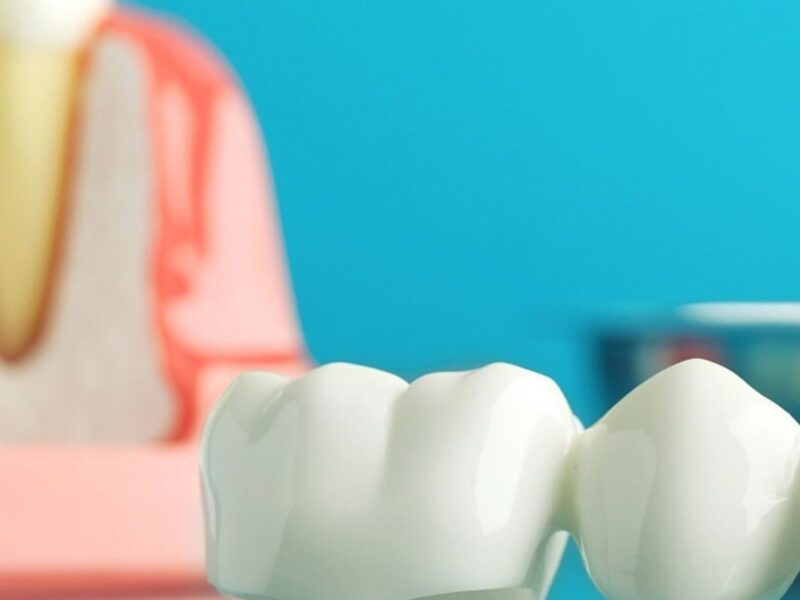
A permanent crown is a custom-made cap that covers a tooth that has been weakened, fractured, heavily filled, worn down, or treated with a root canal. Once bonded or cemented in place, it becomes the new outer surface of that tooth. The goal is not cosmetic alone, although crowns often improve appearance. The real job is functional. A crown should let you bite and chew with stability, protect what remains of the natural tooth, and distribute chewing forces more safely.
That is why the answer to the eating question is usually reassuring. When a crown is done well, you should be able to use that tooth much like your natural teeth. Dentists spend a surprising amount of time checking the bite for precisely this reason. A crown that is even slightly too high can make chewing feel awkward or sore. A crown with a poor contact point can trap food every time you eat. A crown that looks beautiful but does not fit the bite properly will not feel normal, no matter how nice it appears in the mirror.
Patients often expect a crown to feel exactly like the original tooth on day one. Sometimes it does. Sometimes it takes a week or two for the tongue, cheek, and chewing muscles to accept the new shape. That adjustment period is common and not usually a sign of trouble.
The first meals after placement are a different story
Permanent crowns are stronger and more stable than temporary crowns, but that does not mean you should test them immediately with the hardest thing in your pantry. Right after placement, especially if you still have numbness or the cement is freshly set, common sense matters.
If anesthesia is still wearing off, chewing can be clumsy. People occasionally bite their cheek or tongue without realizing it. If the surrounding gum tissue was irritated during the procedure, the area may feel tender for a day or two. If the crown was adjusted several times to refine the bite, the tooth and supporting ligament can feel mildly bruised. None of that means the crown is failing. It just means the tooth has been worked on.
For the first 24 hours, many dentists suggest staying with softer foods and chewing on the opposite side if the tooth feels sensitive. Not because a permanent crown is fragile in itself, but because the tooth, gum, and bite may still be settling. By the second day, many people are already eating close to normal.
A patient once described it perfectly after a molar crown. “The crown felt solid right away, but the area felt like I had been clenching on a pebble all afternoon.” That is often how early bite sensitivity presents. Not sharp pain, just an awareness that the tooth has had a long appointment. If that sensation fades over several days, it is usually routine. If it worsens or makes chewing difficult, the bite may need a small adjustment.
What “eating normally” usually includes
For most people, normal eating with dental crowns includes everyday foods such as bread, pasta, rice, cooked vegetables, chicken, fish, sandwiches, fruit, and most meats. Crowns are built to handle routine chewing forces. In the back of the mouth, that matters even more, because molars take the brunt of grinding and crushing food.
Where patients get into trouble is often not with normal meals, but with edge cases. Think ice chewing, very hard candy, nutshells, unpopped popcorn kernels, pen caps, or using teeth as tools. Natural teeth do not love those habits either. Crowns may survive them for a while, but that does not make them safe.
Texture matters as much as hardness. A crusty baguette is usually fine if chewed sensibly. Taffy can be more problematic because it sticks and tugs. Dried fruit can be deceptively challenging if it is dense and adhesive. Caramel has a talent for exposing weak spots, especially if an older crown is already loosening.
Most patients also ask about crunchy foods. Crunch is not automatically a problem. Toast, chips, raw vegetables, and firm apples are often tolerated well once the crown feels settled. The key is whether the crown and the tooth supporting it are healthy, whether the bite is balanced, and whether there is tenderness underneath.
Material changes the experience, but not the basic goal
Not all crowns are made from the same material, and that influences strength, appearance, and how they wear over time. Porcelain or ceramic crowns are popular because they can look very natural. Zirconia crowns are known for strength and are often chosen for back teeth, although modern zirconia can also look quite good cosmetically. Porcelain fused to metal crowns are still used in some situations and have a long track record.
From the patient’s point of view, the most important issue is not memorizing material science. It is knowing that each crown is chosen for a reason. A front tooth crown may prioritize esthetics and light transmission. A back molar crown may prioritize durability under heavy chewing. Someone who clenches at night may benefit from a different approach than someone with a gentle bite.
Regardless of material, no crown is indestructible. Some are tougher than others, but all depend on the health of the tooth underneath and the forces placed on them. It is entirely possible to chip a crown if you abuse it, just as it is possible to crack a natural tooth.
Why some people struggle to chew after getting a crown
When patients say they cannot eat normally with a permanent crown, there is usually a reason that can be identified and corrected. It is not something to ignore, especially if chewing stays uncomfortable after the first several days.
A high bite is one of the most common causes. The crown contacts before the neighboring teeth do, so the crowned tooth absorbs too much force. People often describe this as the tooth “hitting first.” It can make the tooth sore to chew on, sensitive to tapping, or strangely prominent. A minor adjustment can make a major difference.
Sensitivity is another possibility. A living tooth under a crown may react to cold or pressure for a while, particularly if the original tooth had a deep cavity or large old filling. Mild, improving sensitivity can be normal. Strong, lingering pain is not. That deserves evaluation.
Food trapping is a separate issue. If the contact between teeth is open or poorly shaped, floss may snap through too easily and meals may leave debris wedged between teeth. This can irritate the gum and make it feel like the crown is the problem when the real issue is contour.
Occasionally the crown itself is sound, but the surrounding tooth structure is compromised. Recurrent decay at the margin, a crack extending into the root, gum recession exposing sensitive areas, or a root canal issue can all affect chewing comfort. In those cases, the crown is not always the culprit, it is simply where the symptoms are felt.
Foods and habits worth treating carefully
You do not need to live on mashed potatoes because you have crowns. Still, there are a few categories worth treating with respect, especially if the crown is new, older, or on a tooth with a complicated history.
- Very hard items such as ice, hard candy, and unpopped kernels can chip porcelain or overload the tooth underneath.
- Sticky foods such as caramels, chewy toffees, and some gummy candies can tug at margins and exploit a loose crown.
- Non-food habits like nail biting, pen chewing, and opening packages with your teeth create avoidable stress.
- Extremely tough or dense foods, especially if bitten at an awkward angle, can be uncomfortable on a recently crowned tooth.
- Grinding and clenching, though not foods, are often the biggest threat to crown longevity.
That last point is easy to underestimate. I have seen patients who eat carefully and still fracture crowns because they grind hard at night. Meanwhile, someone else eats crusty bread and nuts for years without trouble because their bite is stable and they do not clench. The way you use your teeth over thousands of daily contacts matters more than any single meal.
Front teeth crowns and back teeth crowns do not feel the same
A crown on a front tooth raises different eating concerns than one on a molar. With front teeth, people often notice biting into food more than chewing it. Apples, crusty pizza, sandwiches, and corn on the cob become psychological tests. Patients may hesitate at first, not because the crown is weak, but because the memory of the damaged tooth lingers.
In a healthy setup, a front tooth crown should let you bite into most ordinary foods. Still, dentists are often more cautious with front teeth if the person has a deep overbite, a history of trauma, or parafunctional habits like clenching. A front crown can be beautiful and functional, but it may be less forgiving than a thick zirconia molar crown when subjected to repeated edge-to-edge stress.
Back tooth crowns are all about force. Molars grind, and they do it with substantial pressure. People with strong chewing muscles can place very heavy loads on those teeth. A properly designed molar crown can absolutely handle routine eating, but this is also where a high bite or an undiagnosed crack becomes obvious quickly. If a back crown hurts when chewing meat or bread, that should not be brushed off as “just getting used to it” for weeks on end.
How long it takes before a crown feels normal
Some crowns feel natural almost immediately. Others take a couple of weeks before the patient stops noticing them. Both can be normal.
Several factors influence that timeline. The amount of tooth reduction during preparation matters. A heavily restored tooth may react differently than a relatively intact one. Gum inflammation around the edges can temporarily make the area feel puffy. A person who is very aware of changes in their mouth may need more time to adapt to the contour. Patients who have had a temporary crown for a few weeks may also notice that the permanent crown feels subtly different, which is not surprising because the temporary is usually less refined.
What should improve over time is awareness, mild tenderness, and chewing confidence. What should not persist is sharp pain, pain on release of biting, the feeling that teeth are not meeting properly, or repeated food packing. Those symptoms justify a call to the dental office.
When “normal eating” is limited by the tooth, not the crown
This is an important distinction. A crown can restore a lot, but it cannot erase every underlying condition.
A tooth that needed a crown after a large fracture may always be a little more complicated than a pristine natural tooth. A tooth with a root canal has no internal nerve sensation, which can be helpful for comfort, but the surrounding ligament still senses pressure, and the tooth may be more brittle structurally depending on how much original tooth remained. A tooth with reduced bone support from gum disease may function adequately but dislike excessive force.
That is why dentists sometimes give advice that sounds more restrictive than patients expect. It is not necessarily that the crown is delicate. It may be that the tooth carrying the crown has less reserve. Someone with extensive wear, multiple crowns, and heavy nighttime grinding may need a night guard and a bit more caution than someone receiving a first crown on an otherwise healthy tooth.
Simple ways to help a crown last while eating well
The best crown is not just the one that looks nice on delivery day. It is the one that still works years later because the patient treated it sensibly and the surrounding mouth stayed healthy.
- Brush thoroughly along the gumline, because crowns fail as often from decay at the margin as from breakage.
- Floss daily, especially around crowned teeth, to reduce gum inflammation and food trapping.
- Wear a night guard if your dentist recommends one for clenching or grinding.
- Get the bite checked if chewing feels off, because tiny high spots can create outsized soreness.
- Keep regular dental visits so small issues are caught before the crown loosens or the tooth decays underneath.
One of the most common misunderstandings is that a crowned tooth no longer needs the same level of home care because it has been “fixed.” In reality, the seam where the crown meets the tooth is a place where plaque can accumulate. If that margin is neglected, the underlying tooth can decay, and then the question is no longer whether you can eat normally with the crown, but whether the crown can be saved at all.
Signs that eating discomfort is not normal
A new crown may be noticeable. It should not become the center of your attention at every Dental Crowns meal. There is a difference between awareness and dysfunction.
If you feel a brief tenderness chewing something firm in the first day or two, that may settle on its own. If you avoid one side of your mouth for two weeks because the crowned tooth hurts every time you use it, that is not a “wait and see forever” situation. The same goes for sensitivity that lingers intensely, pain when biting down or when releasing pressure, or a sensation that the crown rocks slightly.
Sometimes patients worry they are being fussy by calling back for a bite adjustment. They are not. Bite refinements after crown placement are common and often very simple. A small correction can transform chewing from awkward to effortless. The longer someone chews around a problem, the more the jaw muscles can tense up and create a second layer of discomfort.
So, can you eat normally?
For the vast majority of patients, yes. Permanent dental crowns are made so you can return to ordinary eating with confidence. Once the initial tenderness passes and the bite is right, most people chew, bite, and enjoy meals without giving the crown much thought. That is the standard a good crown should meet.
The more honest answer is that normal eating depends on the whole picture. The crown must fit well. The bite must be balanced. The tooth underneath Dental Crowns must be sound enough to support function. The patient’s habits, especially grinding and chewing hard objects, make a real difference. And if something feels wrong, it is usually worth checking rather than toughing it out.
A permanent crown should restore a tooth to working life, not place it under glass. If yours does not feel usable, the problem may be correctable, and often it is. When crown treatment is planned carefully and followed with sensible care, most people can eat the foods they enjoy and get back to not thinking about that tooth every time they sit down for a meal.
Simple Dental South Gate
Address: 8617 California Ave, South Gate, CA 90280
Phone number: +13236896118
FAQ About Dental Crowns
How much do crowns cost per tooth?
In the United States, a single dental crown typically costs between $800 and $2,500 per tooth without insurance. The ultimate out-of-pocket price depends heavily on the crown material, the location of the tooth, and whether you have dental insurance coverage.
What is the downside of crowns on teeth?
The primary downside of a dental crown is that the procedure permanently removes natural tooth enamel to shape the tooth for the cap.
Why do dentists push for crowns?
Dentists recommend crowns because a large filling cannot provide enough strength when a tooth loses a major portion of its structure or faces heavy chewing pressure.